
What is App Stickiness?
Have you ever questioned how certain applications develop daily routines yet others disappear from regular use? App stickiness represents the essential factor that determines why users maintain their usage of particular applications. The ability of an app to maintain user loyalty stands as its main defining attribute. When users encounter valuable and engaging features through an app, they develop a need for its repeated use.
With the growth of the mobile ecosystem, monitoring reasons for recurring engagement is now just as important as tracking installs. App stickiness demonstrates how frequently users return to the app. For example, the average mobile app loses 77% of its daily active users within the first 3 days after installation, underlining why engagement and stickiness are critical. Understanding user behaviors and patterns of engagement has been made easier through structured insights from various sources, including those found on platforms like Apptrove, which help teams build insights about user habits and usage without the pressure of sales and/or optimization messaging.
When users are presented with superior, effective, simple-to-use, engaging and convenient apps, they develop a reliance on them. Once that reliance develops, users do not just regularly use that app; over time, the routine of using that app becomes a habit of habit formation. Thus, app stickiness is what turns and keeps a user as a returning app user. App stickiness transforms what users want (to download) into something they will use repeatedly. As such, app stickiness is a solution for real-world problems and offers ongoing value to its users, making it perfectly integrated into their daily lives.
Why Does App Stickiness Matter?
The current competitive app landscape requires equal attention to maintaining user engagement just as much as it does securing initial user acquisition. Higher stickiness results in increased user involvement that creates better retention as well as stronger brand loyalty and bigger revenue gains. In fact, studies show that only about 28 % of users return the very next day after install, and fewer than 8 % remain active after 30 days — underscoring how essential stickiness is for long-term success.
Why should you care?
- Better Retention: More users stick around longer.
- More Revenue Opportunities: As user engagement increases the number of paid subscriptions and in-app purchases will expand significantly.
- Organic Growth: Customers satisfied with their app experience naturally promote additional referrals to the system through referral marketing.
- Lower Acquisition Costs: Service costs for existing users stay much lower than the costs of recruiting new user groups.
Competitive Edge: Applications which succeed in retaining their users consistently obtain superior positioning in app stores.
How Do You Measure App Stickiness?
The easiest way to measure stickiness is with this simple formula:
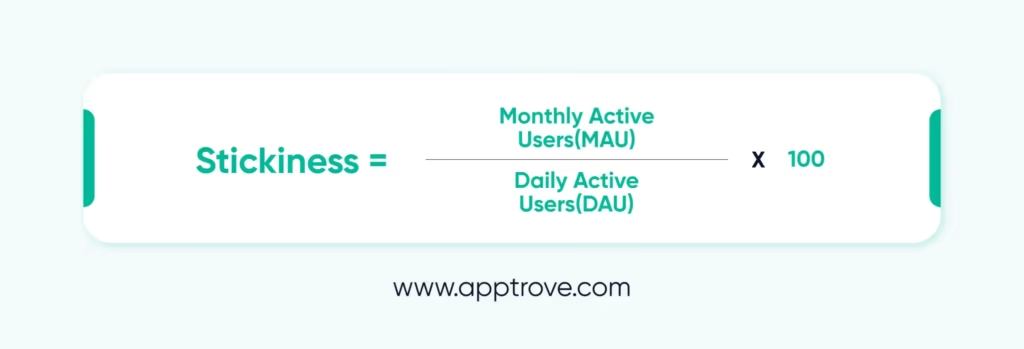
The formula demonstrates how many of your active users participate on a regular basis. The user need for an app rises when the percentage of daily users reaches its maximum value.
What Makes an App Sticky?
Various elements determine whether users will maintain repeat usage of an application. Here’s what you should focus on:
1. Smooth & Enjoyable User Experience (UX)
The moment users detect friction during their use of an app leads them to escape. An interface that streams connection and logic effortlessly creates all the difference in user retention.
Quick Wins:
- Make onboarding quick and easy.
- Ensure fast load times.
- Keep navigation clear and frustration-free.
- Minimize app crashes and bugs to maintain stability.
2. Personalization That Feels Right
Users love experiences tailored just for them. Personalization makes an app feel like it “gets” the user, keeping them engaged longer.
How to Do it:
- Offer content recommendations based on behavior.
- Allow users to customize their preferences.
- Use AI-driven recommendations to enhance the experience.
- Leverage predictive analytics to anticipate user needs.
3. Smart Push Notifications & Messaging
Nobody likes to be bombarded with notifications, but the right message at the right time can bring users back.
Best Practices:
- Keep push notifications relevant and timely.
- Personalize messages based on user segmentation.
- Use interactive notifications that add value.
- Integrate in-app messaging for direct engagement.
4. Gamification & Rewards That Work
People love a challenge and a reward. Adding gamification elements can keep users engaged and coming back.
Effective Tactics:
- Offer badges, streaks, or progress tracking.
- Provide loyalty programs and exclusive perks.
- Add friendly competition with leaderboards.
- Implement daily challenges to encourage repeat visits.
5. Building Community & Social Features
Apps with strong communities tend to have higher stickiness. When users interact with each other, they have a reason to return.
Ways to add a social layer:
- Include in-app messaging or discussion forums.
- Enable easy social media sharing.
- Add user-generated content to boost engagement.
Encourage peer-to-peer interactions, such as referrals or group challenges.
How to Make Your App Stickier
1. Nail the Onboarding Experience
First impressions matter. A smooth onboarding process ensures users don’t drop off before they’ve even started.
Tips:
- Keep tutorials short and interactive.
- Highlight must-know features upfront.
- Let users skip steps if they want.
- Offer guided walkthroughs for new users.
2. Use Data to Your Advantage
Understanding user behavior analytics helps you fix issues before they become deal-breakers.
Smart Moves:
- Track in-app engagement patterns.
- Identify common drop-off points and optimize them.
- Use analytics to personalize experiences.
- Measure churn rate and analyze why users leave.
3. Keep Your Content & Features Fresh
If an app feels stagnant, users will lose interest. Regular updates keep things exciting.
Best Practices:
- Listen to user feedback and iterate quickly.
- Announce updates through in-app messages and emails.
- Add seasonal promotions or limited-time features to spark interest.
- Implement A/B testing to refine new features before full rollout.
4. Encourage Habit Formation
Building habits around your app increases long-term engagement. Apps like fitness trackers, language learning platforms, and finance apps use habit loops to keep users engaged.
Ways to Drive Habitual Use:
- Set up reminders for key activities.
- Use progress tracking to motivate users.
- Reward consistent engagement with streaks and bonuses.
- Offer personal milestones to celebrate user achievements.
5. Optimize for Cross-Platform Accessibility
Users today switch between multiple devices, so ensuring a seamless experience across platforms boosts stickiness.
How to Achieve This:
- Enable cloud sync between mobile, tablet, and web versions.
- Ensure responsive design for different screen sizes.
- Provide a unified login experience with single sign-on (SSO).
The Bottom Line
A sticky app is one that users can’t live without. By optimizing the user experience, personalizing interactions, and continuously adding value, you can turn one-time users into loyal fans.Implement these strategies, and you’ll not only improve your retention rate but also create an app growth strategy that sustains itself. The more your users engage, the greater the chance they’ll stick around for the long haul.
FAQs
1. What role does long-term value play in App Stickiness?
Providing long-term value for users increases app stickiness as users will perceive an extra advantage in using the app beyond the fundamental features. Additionally, if an application can meet the various requirements of an evolving user base, this same user would return to use the app over Time creating predictable patterns of engagement on a month-to-month basis instead of a day-to-day basis.
2. Why does content freshness influence App Stickiness so strongly?
User expectations for new experiences and improvement drive App Stickiness through refreshing content to the application. The introduction of regular updates, sustaining forward motion and timely changes within the application help prevent boredom from becoming monotonous for a user, thus providing many exciting reasons for a user to come back to your application instead of falling into other digital habits.
3. When does App Stickiness begin to show measurable growth?
The determination of App Stickiness becomes possible once certain User Activity Behaviors have stabilized, typically following the end of user onboarding and the establishment of early usage behaviour patterns. Users that return to regularly visit an application in a consistent manner, explore different features of the application and exhibit repeat behaviour are clear indicators of the development of Long-Term User Engagement with the application.
4. How can micro-interactions subtly improve App Stickiness?
Micro-interactions create Stickiness for Applications by providing delightful moments of interaction that create a sense of reward for completing actions within the application. The application creates an emotional bond with the user through small interactions, and helping to create an environment of ease, which helps to reduce the pain associated with completing actions, so users naturally repeat these behaviors.
5. Who is responsible for maintaining App Stickiness in a product team?
The design of App Stickiness is created by teams of product managers, designers, and growth. Product managers build value propositions, designers develop the user interface for usability, while growth focuses on optimizing user behavior cycles for long-term retention and ongoing user engagement without substantial promotional efforts.