
What are Blacklists?
In mobile marketing, a blacklist is a database or list that comprises identified sources of the suspicious and the fraudulent. These sources could include:
- Publisher IDs: Publisher IDs help identify specific apps, websites, or ad placements responsible for serving traffic. By analyzing performance metrics such as unusually high click-through rates, low conversion rates, or repeated fraud signals, marketers can flag publishers distributing low-quality or harmful ad inventory. Blocking these sources prevents ads from appearing in unsafe environments and protects overall campaign integrity.
- Device IDs: Device IDs make it possible to track activity at the individual device level. When the same device repeatedly generates fake installs, abnormal engagement, or suspicious post-install behavior, it becomes a strong indicator of fraudulent activity. Filtering such devices helps reduce invalid installs, improves attribution accuracy, and ensures marketing spend reaches genuine users.
- User Behaviors: Behavioral patterns provide valuable signals for detecting fraud. Repetitive clicks, rapid installs, zero engagement sessions, or unrealistic interaction speeds often indicate automated or manipulated activity. Monitoring these behaviors allows marketers to identify non-genuine interactions early and prevent campaign data from being skewed by misleading performance signals.
- IP Addresses: IP address analysis helps uncover networks linked to suspicious activity, such as click farms, data centers, or proxy networks. When multiple fraudulent actions originate from the same IP range, blocking them can significantly reduce fake traffic. This approach also helps prevent abuse from VPNs and anonymized sources that hide true user identity.
- Geographic Locations: Geographic data helps identify regions with consistently high fraud rates or abnormal traffic patterns. If installs or clicks from certain locations show low retention, zero conversions, or repeated fraud indicators, marketers can restrict exposure from those regions. This ensures ad spend is focused on locations that deliver real value and sustainable growth.
When a blacklisted entity tries to interact with an app or advertising campaign, the system automatically blocks their access or engagement.
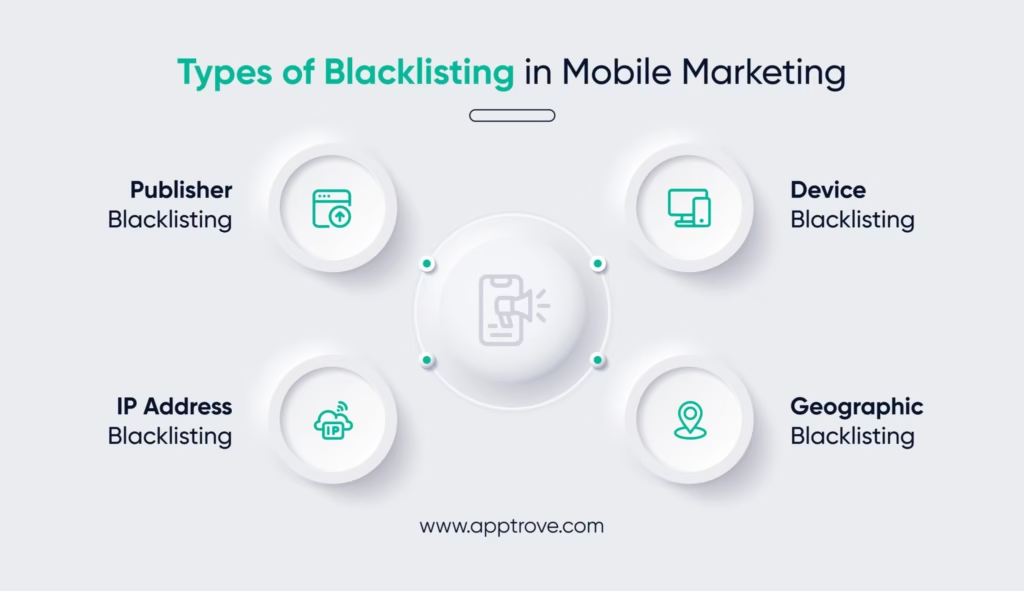
Types of Blacklists in Mobile Marketing
Publisher Blacklisting
If an ad platform or app publisher is known for hosting spammy or fraudulent ads, they can be blacklisted. This helps make sure advertisements do not run on unsafe sites, maintains high campaign performance, and strong brand image.
- Blacklists unreliable publishers or ad networks.
- Prevents the ads from appearing where they are not wanted and minimizes exposure to fake or useless traffic.
Device Blacklisting
The campaigns are protected by blacklists that target devices used for suspicious activities such as fake app installs or click injection.
- Filters traffic coming from infected devices from accessing the network.
- Improves ROI by detecting and reducing invalid installs and actions.
IP Address Blacklisting
Most of the activities that involve fraud such as bot traffic are usually originated from a certain IP address. By identifying and blacklisting these, marketers can be assured of the quality of traffic.
- Blocks the IPs of the bots or fake clicks..
- Prevents from VPNs or proxy abuse.
Geographic Blacklisting
In regions with high fraud rates, marketers can save their budget by simply blacklisting traffic from those particular areas.
- Ensures ad spend is allocated to quality traffic.
- Reduces exposure to areas that are susceptible to fraud issues.
How Do Blacklists Work in Mobile Marketing?
It operates through a mix of real-time filtering, behavior analysis, and ongoing monitoring:
1. Identification Process
- Identify features such as increased click rates or wrong installations.
- Observe the quantity and quality of the users’ interactions.
2. Implementation Methods
- Real-Time Filtering: Halts harmful entities immediately.
- Pre-Bid Blocking: Prevents ads from being served to fraud-prone sources.
- Post-Install Analysis: Validates the quality of users after application installation.
Benefits of Blacklisting
Fraud Prevention
- Lowers the occurrence of fake installations and click spam.
- Helps to filter out bots and save money for advertising campaigns.
Campaign Optimization
- Improves traffic quality which leads to better conversion rates.
- Reduces ad waste through correct targeting instead of advertising to the wrong groups.
Brand Safety
- Ensures whether the placed advertisements are relevant in specific areas.
- Safeguards the brand’s reputation from harmful associations.
Best Practices for Mobile Marketing Blacklisting
Regular Blacklist Monitoring
- Track traffic patterns on a regular basis for anomalies.
- Analyze user behavior and conversion rates to identify fraud.
- Check the campaign performance result to ensure its effectiveness.
Data Analysis
- Look for repetetive fraud patterns and suspicious traffic sources.
- Evaluate the quality of user interactions to optimize and refine further campaigns.
Maintenance
- Regularly update blacklists to include emerging threats.
- Remove false positives to prevent blocking legitimate traffic.
Integration Strategy
- Implement blacklists to prevent threats from spreading across different platforms and for consistent protection.
- Coordinate with partners to align goals and maintain adaptability.
Tools and Technologies
Security Applications
- It is operational for monitoring in real-time and automating detection.
- Use pattern recognition to identify fraudulent activities.
Attribution Solutions
- Track installations and the user journey.
- Analyze traffic quality and measure campaign conversions to detect fraud.
Challenges and Positive Impacts
False Positives
- Legitimate users or traffic may be mistakenly flagged and blacklisted.
- Implement regular verification processes and maintain a robust appeal system to prevent missing valuable opportunities.
Dynamic Threats
- Fraud methods evolve, requiring constant updates to detection systems.
- Adaptive responses and advanced technologies help mitigate risks.
Campaign Performance
- Delivers improved ROI and higher conversion rates.
- Focuses resources on high-quality traffic sources.
Budget Efficiency
- Minimizes losses from fraud.
- Ensures better allocation of marketing spend.
What’s in the Future?
- Machine Learning Integration: Improves detection efficiency through predictive algorithms.
- Advanced Pattern Recognition: Analyzes the complex fraud patterns in real-time.
- Automated Responses: Simplifies fraud detection reducing the need for manual intervention.
Bottom Line
It is indispensable in mobile marketing for combating fraud and optimizing campaign performance. By implementing advanced practices and technologies, marketers can safeguard investments, improve traffic quality, and maximize ROI. Regular monitoring and updates ensure these systems stay effective against emerging threats, making blacklists a cornerstone of robust mobile marketing strategies.
FAQs
1. What is a blacklist in mobile marketing and why is it used?
In mobile marketing, this concept refers to a control mechanism that blocks known fraudulent or low-quality traffic sources from interacting with campaigns. It helps advertisers and app marketers protect budgets, improve traffic quality, and prevent invalid installs, clicks, or impressions from distorting campaign performance and analytics.
2. How does a blacklist help prevent mobile ad fraud?
By blocking access from previously identified risky sources such as suspicious devices, IP addresses, or publishers, marketers can significantly reduce exposure to fake traffic. This proactive filtering ensures campaigns reach real users, improves attribution accuracy, and minimizes losses caused by click spam, bot-driven installs, or impression fraud.
3. What data sources are typically included in a blacklist?
These lists often include publisher identifiers, device identifiers, IP ranges, geographic regions, and abnormal user behavior patterns. Together, these data points help systems recognize repeat offenders and prevent them from re-engaging with campaigns, creating a safer and more reliable mobile advertising ecosystem.
4. Can using a blacklist negatively impact campaign performance?
If not maintained properly, blocking mechanisms may mistakenly restrict legitimate users or traffic sources. This can limit reach or reduce scale. To avoid this, marketers must regularly review filtered data, remove false positives, and balance fraud prevention with performance optimization to ensure campaigns remain effective.
5. How should marketers maintain and update a blacklist over time?
Ongoing monitoring is essential because fraud tactics constantly evolve. Marketers should analyze traffic trends, review conversion quality, update blocked sources regularly, and coordinate with attribution and fraud-detection tools. Continuous refinement ensures protection remains effective without harming genuine user acquisition efforts.