Dynamic ads, known for their ability to adjust and personalize content based on each user and their preferences, have transformed how companies connect with consumers. In fact, personalized ads can deliver 3 times the return on investment (ROI) opposed to non-personalized ads. One such organization that is powering this change is Apptrove. Apptrove is a complete mobile measurement platform that enables marketers to elevate user acquisition and engagement strategies. With Apptrove’s deep linking, customizable fraud prevention capabilities, and sophisticated SKAN, businesses can deliver seamless user experiences and actionable insights to improve campaign performance.
In this guide, we will dissect dynamic ads, including what they are, the types of dynamic ads, and their unique benefits across diverse industry verticals.
What Are Dynamic Ads?
Dynamic ad, also known as personalized ads or adaptive ads, are a type of online advertisement that automatically adjusts its content based on the user’s characteristics, interests, and behavior. Unlike traditional static ads, which display the same content to all viewers, dynamic ads leverage data-driven insights to tailor the messaging, imagery, and offers to individual users in real time.
The core principle behind a dynamic ad lies in the dynamic content optimization process, which involves:
- Data Collection: Dynamic ads rely on a robust data infrastructure to gather information about users, including browsing history, purchase behavior, demographics, and preferences.
- Content Generation: Utilizing sophisticated algorithms and machine learning techniques, dynamic ad generates personalized content by analyzing the collected data and selecting the most relevant elements for each user.
- Real-time Delivery: Once the content is generated, dynamic ad is served to users across various digital channels, such as websites, social media platforms, and mobile apps, ensuring timely and targeted engagement.
Tailored to the End: Types of Dynamic Ads
Dynamic ads encompass a diverse range of formats and platforms, each tailored to specific marketing objectives and audience segments. Some common types of dynamic ad include:
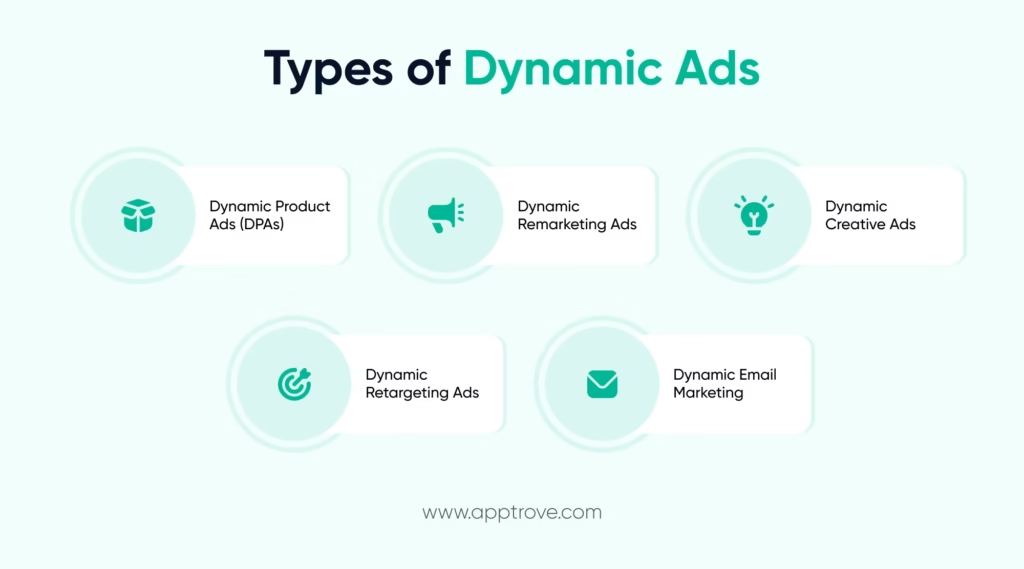
- Dynamic Product Ads (DPAs): Popularized by platforms like Facebook and Google, DPAs promote products from an online catalog to users who have previously shown interest in those products. These ads dynamically showcase relevant products, pricing, and availability, driving conversions by retargeting potential customers with personalized recommendations.
- Dynamic Remarketing Ads: Targeting users who have previously visited a website or interacted with a brand, dynamic remarketing ads display tailored content based on the user’s browsing history and preferences. By reminding users of products they’ve viewed or abandoned in their shopping carts, these ads effectively nurture leads and encourage repeat visits.
- Dynamic Creative Ads: Leveraging data feeds and creative templates, dynamic creative ads dynamically assemble ad content based on contextual factors such as location, weather, or time of day. This dynamic customization enhances relevancy and resonance, capturing the attention of users with personalized messaging and imagery.
- Dynamic Retargeting Ads: Similar to dynamic remarketing ads, dynamic retargeting ads target users who have previously engaged with a brand across multiple touchpoints. By dynamically adjusting the ad content based on the user’s interactions and preferences, these ads reinforce brand awareness and drive conversions by delivering highly relevant offers and recommendations.
- Dynamic Email Marketing: In the realm of email marketing, dynamic ads enable brands to deliver personalized content and product recommendations tailored to each recipient’s interests and purchase history. By dynamically generating email content at the time of open, marketers can create hyper-targeted campaigns that resonate with individual subscribers, driving engagement and conversions.
The Dynamic Edge: Benefits for Businesses Across Verticals
Dynamic ads offer a multitude of benefits for businesses across diverse industry verticals, empowering marketers to deliver more relevant, engaging, and effective advertising experiences. Let’s explore how dynamic ads cater to the unique needs and objectives of businesses operating in various sectors:
#1 E-commerce
- Personalized Product Recommendations: For e-commerce retailers, dynamic ads enable personalized product recommendations based on user browsing and purchase history, driving upsells, cross-sells, and repeat purchases.
- Cart Abandonment Recovery: By retargeting users who have abandoned their shopping carts with dynamic remarketing ads, e-commerce businesses can recapture lost sales and increase conversion rates.
- Seasonal Promotions: Dynamic ads allow e-commerce brands to dynamically adjust their advertising content to align with seasonal trends, holidays, and special occasions, maximizing the impact of promotional campaigns.
#2 Travel and Hospitality
- Dynamic Destination Recommendations: Travel and hospitality brands can leverage dynamic ads to showcase personalized destination recommendations, hotel deals, and travel packages tailored to each user’s preferences and past bookings.
- Real-time Availability Updates: With dynamic creative ads, travel companies can dynamically update ad content based on real-time availability and pricing information, creating a sense of urgency and driving bookings.
#3 Automotive
- Personalized Vehicle Recommendations: Automotive advertisers can use dynamic ads to showcase personalized vehicle recommendations based on user’s preferences, location, browsing behavior, driving test drives, and showroom visits.
- Dynamic Inventory Showcases: By dynamically updating ad content with real-time inventory data, automotive dealerships can showcase available models, features, and pricing, attracting qualified leads and facilitating conversions.
#4 Retail
- Localized Promotions: Dynamic ads enable retail brands to deliver localized promotions and store-specific offers based on the user’s geographic location, driving foot traffic and in-store sales.
- Dynamic Pricing and Discounts: Retailers can dynamically adjust pricing and discounts in their ads based on factors such as inventory levels, demand, and competitor pricing, optimizing profitability and driving conversions.
#5 Finance and Banking
- Personalized Financial Advice: Dynamic ads allow financial institutions to deliver personalized financial advice, product recommendations, and investment opportunities tailored to each user’s financial profile and goals.
- Lifecycle Marketing Campaigns: By dynamically adjusting ad content based on the user’s stage in the customer lifecycle, banks and financial services providers can nurture leads, onboard new customers, and drive loyalty through targeted messaging and offers.
Putting it Together
Dynamic ad represents a paradigm shift in the realm of digital advertising, offering unprecedented levels of personalization, relevance, and effectiveness. By harnessing the power of data-driven insights and real-time optimization, businesses can create hyper-targeted ad experiences that resonate with their target audience across various industry verticals. Whether it’s e-commerce, travel, automotive, retail, or finance, dynamic ads empower brands to engage users with personalized content, drive conversions, and maximize return on investment in today’s dynamic and competitive marketplace. As technology continues to evolve and consumer expectations evolve, dynamic ads will undoubtedly remain at the forefront of innovation, shaping the future of advertising in the digital age.
FAQs
1. What are dynamic ads and how do they work?
Dynamic ads are tailored advertisements that automatically update content in real time based on consumer behaviors, preferences, and demographics. Dynamic ads incorporate data-driven insights in order to deliver relevant, meaningful messaging, images, and offers across a variety of digital channels.
2. What types of dynamic ads can businesses use?
Companies can leverage diverse dynamic ad formats, potentially including, but not limited to, Dynamic Product Ads (DPAs), dynamic remarketing ads, dynamic creative ads, dynamic retargeting ads, and dynamic email marketing. Each ad format is designed to connect with specific audience segments based upon customized content.
3. How do dynamic ads benefit e-commerce businesses?
Dynamic ads for e-commerce maximize conversions by serving a personalized product reccomendation ads that recover abandoned carts and seasonal promotions. They power repeat purchases, and maximize return on ad spend (ROAS).
4. Can dynamic ads be used across different industries?
Indeed, dynamic advertisements work well across many sectors, including travel, automotive, retail, finance, and banking. They can deliver personalized recommendations, real-time updates, offers that are specific to a location, and lifecycle marketing campaigns to engage and convert users.
5. How can businesses optimize dynamic ads for better results?
Companies can optimize dynamic ads with strong data collection, machine-learning generated content, A/B testing, and real-time delivery on platforms. Personalization, targeting, and timeliness support engagement and ROI.