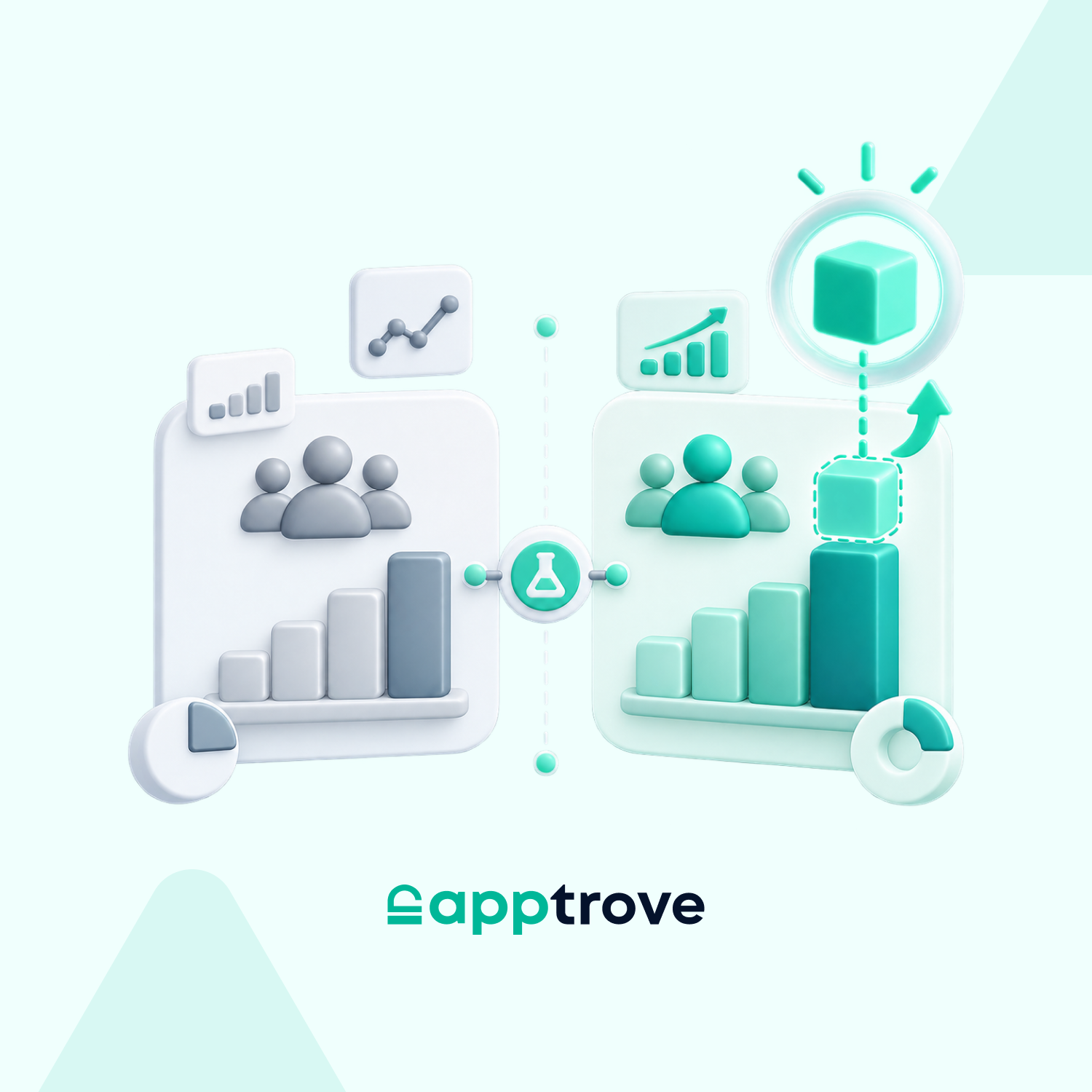
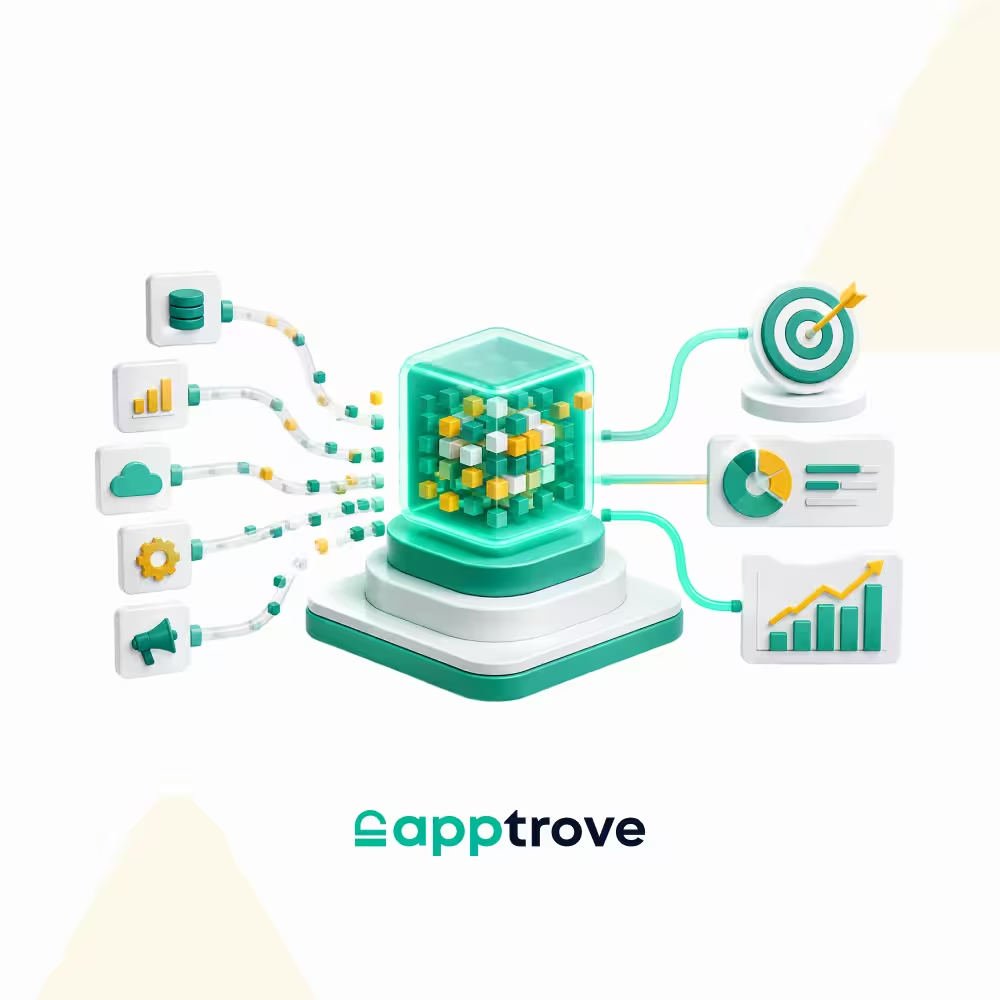
In today’s world of marketing, it is no longer a matter of simply reaching as many people as possible, but rather of reaching the right people. Nowadays, consumers have to deal with so many notifications, apps, and ads that it is hard to imagine how many stimuli a person has to take in on a daily basis — namely, on average, an individual sees somewhere between 4,000 and 10,000 advertisements daily. In this context, segmentation has become a cornerstone of effectiveness since it implies dividing your audience into distinguishable segments according to their behavior, preferences, and characteristics. However, behavioral segments are more than just a list of interests; they can help you make decisions based on the information you get from your audience members.
Segmentation would help marketers divide their audience into identifiable segments using marketing segmentation variables, such as behavior, preferences, and demographic aspects of consumers.
By using customer segmentation, market segmentation, behavioral segmentation, demographic segmentation, and psychographic segmentation systems, there is no need to produce universal campaigns anymore – your campaigns can also be unique and effective instead of relying on hope for customer engagement. Segmentation allows anticipating customer expectations and sending more appropriate messages at various stages of the consumer process.
With this guide, you will learn the entire process surrounding the theory and practice of segmentation. You will discover how to form relevant segments, create an actionable segmentation plan, and determine how successful your segmentation has been by measuring the results obtained in terms of growth, retention rate. You will also understand how to convert big data into data-driven insights that can enhance customer retention, revenue, and CLV of customers.
Why Segmentation is a Game-Changer for Your Marketing

Imagine sending the same notification to all users in your app. Some users will be interested and click it, while others will ignore it or not even care. Now let’s think about sending users messages that relate to their preferences and behaviors along their customer journey. That’s what segmentation does.
Segmented email campaigns can generate 58% more revenue, 14.3% more open rates, and twice as many clicks compared to non-segmented ones.
Segmentation gives you a chance to understand your customers in a detailed way. By analyzing their characteristics, behaviors, and preferences, you can send them tailored messages, features, and experiences that are relevant to them. It’s not just about boosting the click-through rate or enhancing the conversion; it’s about creating engagement, which leads to loyalty and trust.
Segmented campaigns yield more revenue, higher engagement, and better ROI than non-segmented ones because they are based on data and analysis of customer insights instead of assumptions.
There are multiple areas of growth by segmenting your audience:
- Engagement increases because you are talking directly to the user’s needs.
- Churn decreases because you are able to identify and reach out to groups at risk, supporting churn prediction. Audience segmentation has even been shown to reduce churn by 15–20%.
- Conversions are increasing, and your targeted campaigns are going directly to those users who are much more likely to take action.
- Optimization using business intelligence is always happening because your decision-making is based on data.
For instance, if you observe that a certain group of users or segment often interacts with video tutorials, you will want to design campaigns that promote similar videos to that group. Likewise, identifying behavioral patterns in terms of purchases, or product usage can lead you to the right segments of your audience and help you offer them good premium products or loyalty programs.
Segmentation provides clarity and informs actions. It allows marketers to rely on observable trends instead of generalizations and create targeted campaigns based on real-time data. Better information makes it possible to apply resources efficiently and develop strategies that help allocate marketing budgets to the right media outlets.
Acknowledging Customer and Market Segmentation

Segmentation is fairly esoteric until you get to the basics of the two forms of segmentation: customer segmentation and market segmentation. They both segment your audience and are strategic, but serve two different purposes.
Customer segmentation is concerned with your existing users. By segmenting existing users into their individual behavior, preferences, and demographics, you can quickly understand how to deliver the user experiences fitting each user’s journey stage. Whether it be onboarding, retention, upselling, etc. Customer segmentation allows you to deliver the right experience at the right time. Even a modest 5% boost in customer retention can increase revenue by as much as 95%, because retaining existing customers costs far less than acquiring new ones.
Market segmentation looks to the broader audience beyond the current user base. Using market research, brands identify groups based on geographic segmentation, industry, or adoption patterns to define a clear target market and optimize acquisition strategies. Understanding market segmentation allows you to allocate resources in the best way possible while identifying further markets to grow into, 72% of customers only engage with messages tailored to their interests.
Customer Segmentation
Customer segmentation is all about identifying patterns across your user base using customer analytics and data mining. Some users may care more about social engagement, while others emphasize in-app purchases. Knowing these patterns allows you to create campaigns and product experiences customized to the preferences and needs of each segment.
For example, if users who went through a tutorial also frequently purchase, you can create campaigns that encourage new users to onboard in the same way. Optimize engagement and conversion by segmenting based on user behavior like this.
Segmentation also allows for resource allocation. Once you’ve identified your high-value users, you can channel retention campaigns, upsell, and personalize offers where you believe they will have the most impact.
Market Segmentation
Market segmentation allows an analysis of external opportunities to separate audiences into different groups by industry, geography, or potential customer group. This allows for targeting, better resource allocation, and improved messaging.
For example, if different geographies have varied trends of adoption, you may find underserved markets with good potential. More to the point, you might find it easier to understand which industries are more likely to adopt your App to best target acquisition campaigns and position the product. Gathering market segmentation insights means all efforts should be spent in the areas that will drive the best return vs a shotgun approach.
Examining Behavioral Segmentation for Better Targeting

Behavioral segmentation is centered on user behavior—their actions and responses to campaigns, features, or in-app experiences. This segmentation is particularly effective due to the current representation of user intent and engagement.
For example, let’s say you target a segment of users who are abandoning their shopping cart in your experience. Behavioral segmentation will help you isolate that segment and offer intervention and relevancy to those users with reminders or a special deal. The same would be true for users who interact with your notifications a lot but have been unable to convert. You could offer them incentives that they would like based on their previous activity.
Analyzing behaviors regarding how users interact with features and the frequency of their sessions or responses to campaigns allows you to anticipate user needs. You have patterns of behavior established as a reference, and recognizing these patterns allows you to create experiences that are relevant and timely. Behavioral segmentation transforms activity and behavior into strategic decisions leading to improved engagement, conversion rate, and increased ROI.
Essential Behavioral Metrics to Consider
To really develop an effective behavioral segmentation plan, you will want to concentrate on metrics that give you some degree of orientation clarity, such as:
- Frequency of engagement: How often are users engaging with your app or particular features?
- Purchase patterns: Who are the segments that convert, how often, and in what manner?
- Responses to campaigns: What messages or notifications actually inspire a trigger of action?
- Signals of churn: What user behaviors lend themselves to foreshadowing a dampening of interest?
Considering these metrics will help you create hyper-relevant campaigns, predict needs, and provide experiences that feel targeted to the individual user. This is the level of precision that identifies advertising that is merely promoting the product and a higher tier of marketing that is growth-inducing.
Demographic Segmentation: Understanding Your Users Beyond Behavior

Behavioral data informs what your users do, while demographics tell you who your users are. The makeup of your user population – attributes such as age, gender, income, education, geographical location, or even the type of experience on their device – provides important context that contributes to user behaviors, attitudes, and engagement patterns, which can help you establish true connections with them, in order to create campaigns, experiences, and features that speak to each segment.
For example, younger users may enjoy more gamified experiences, interactive content, or social sharing opportunities. Older users might want usability, clarity and reliability. Users from cities might be more inclined to respond to offers that are location-based, while users from smaller towns might prefer a more no-frills, straightforward narrative. Combining demographics with behavioral data enhances customer profiling, enabling campaigns that feel contextual and relevant.
Demographic segmentation is powerful because it can add further contextual detail to your behavioral insights. You may have a group of users who frequent push notifications. But, once you overlay demographics on top of this grouping, you may realize that they are actually high-value users aged 25-34 in metropolitan regions with a history of preferring evening engagement. With this knowledge, not only will you be able to schedule campaigns at times when the likelihood of users being active is increased, but you can tailor your messaging based on their lifestyle and deliver offers that become more contextualized based on their physical world experience.
Demographic segmentation also allows you to find new areas for growth. If you look at adoption rates through segments related to ages or regions, you may uncover previously underserved segments that could be developed into targeted campaigns. Income data will assist you in identifying the proper pricing and premium features where you can ethically deliver maximum monetization without alienating lower-income users. Likewise, education or work-related information can help tailor your content preferences, tone of messaging, and product positioning.
By layering demographic and behavioral data together, it creates richer customer personas so you have a holistic view of your audience. This multidimensional viewpoint helps you become efficient with your campaigns that not only should be relevant, but also possibly increase the likelihood of long-term retention and lifetime value. You no longer will be making guesses about who your users are; you will be taking a more strategic approach based on patterns, context, and insights from the real world.
Developing a Successful Segmentation Strategy
When developing a segmentation strategy, it’s better to begin with clarity about your strategy and purpose. Ask yourself: what are you trying to achieve with segmentation? Are you trying to drive retention? Increase engagement? Increase revenue? Increase customers in a brand new market? These objectives guide your segmentation criteria and data collection.
The next step is to gather data and analyze meaningful data using data analytics and machine learning to identify patterns. Segmentation is not about labeling users; it’s about recognizing how different groups behave and how you can serve them better.
Implementation is where strategy becomes action. You’ll want to tailor campaigns, features, and experiences for each segment. Timing, messaging, and the type of content will matter in each segment. For example, a user focused on short-form content may respond better to quick and actionable push notifications than to longer forms of tutorials or recommendations, while a user who engages with a collection of in-app resources may prefer a few in-depth tutorials or detailed recommendations.
Segmentation is an ongoing process. Your users change, the market changes, and their preferences change. You’ll want to continuously assess engagement, conversion, and retention metrics to better define your segments. You will also want to avoid key pitfalls such as over-segmenting into so many segments that you lose focus, or violating privacy to the users’ detriment and eroding their sense of agency. A good segmentation approach gets to the right length of granularity and still provides a clearly actionable agenda.
Measuring the Effects of Segmentation on Growth
You can extract value from segmentation only if you can measure the effects it has. Key measures will include engagement, conversion, retention, and return on investment (ROI). By tracking these measures, you can discover which segments are increasing in growth and which have fallen flat.
If you are monitoring engagement metrics, then you can see what users are doing with your app, features and campaigns. Segments with high engagement metrics clearly indicate you have found ways to connect and inspire them with your messaging. Segments with a low engagement metric probably need to be inspired to act and need more intervention.
The conversion metrics will show you which users engage with desired marketing outcomes (conversions) such as purchases and subscriptions. You can use conversion metrics to better understand where to start your marketing segmentation campaigns.
Retention metrics will show user engagement over time in order to see which segments continue to be active and which are in danger of churning.
With the availability of modern segmentation tools and analytics platforms, it is possible to track segment performance continuously, in real-time. By analyzing user behaviors, campaign responses, and purchase behaviors, it’s not only easy to change or enhance segmentation, but you can optimize segments on an ongoing basis. For instance, if you have one segment that constantly engages with personalized sales offers, you may want to increase the frequency of those targeted promotions. Conversely, if another segment continues to engage in higher degrees, segment responses may evolve. Consequently, you may want to reflect upon interventions like onboarding email refreshers or introducing in-app tutorials.
The segmentation webinar allows you to discriminate and measure your return on investment (ROI) much more extensively. Rather than evaluating campaigns overall, you can assess which segments are yielding you the highest lifetime values, while reallocating budgets much more effectively by segregating assays along your entire campaign development. This allows you to more efficiently spend marketing dollars where they count the most, and confidently apply ROI on stated metrics over time, which will yield compounding efficiency for additional growth sustainably.
Anticipated Future of Segmentation in a Privacy-First World

With the changing landscape of digital marketing, you can expect to see data privacy concerns at the forefront of emerging legislation. Existing regulations from GDPR, Local CCPA and several frameworks in different countries force marketers to adopt a privacy-first approach while continuing to provide personally relevant engagement. Likewise, rethinking traditional segmentation approaches will be needed to stay compliant while driving growth.
The modern approach uses AI-driven analytics and predictive model techniques to infer insights without having to provide personally identifiable information. Instead of relying on the identifiers or intrusive tracking, privacy-compliant frameworks help you understand trends, preferences and behaviours at an aggregate and/or anonymized level. This way, you will be able to segment your target audience appropriately while honouring their right to privacy.
Using privacy-minded segmentation galvanizes user trust, and users are more likely to interact with apps and campaigns that demonstrate ethical data utilization—trust begets loyalty that results in less churn and greater lifetime value. Marketers who adopt privacy-minded segmentation can still provide personalized engagements, predictive analytics of user behavior, and tailored campaigns.
In practice, this means creating segmentation models that prioritize consent, anonymize sensitive data, and base segmentation on behavioral and contextual insights rather than invasive, personal data. Alternatively, predictive models can predict user needs and help you to curate personalized experiences without compromising on privacy. The future of segmentation is based on insight, personalization, and privacy—creating value for marketers and users alike.
Conclusion: Segmentation that Works
Segmentation is not a tactic; it is a mindset that helps you understand users, identify opportunities and create personalized experiences. When you have insight about your customers, an understanding of the market, and an awareness of behaviours and the demographics around them, you can build what increases engagement, retention, and ultimately revenue.
To see what this looks like in a more tangible way, check out the Audience Segmentation techniques provided by AppTrove. It has handy utilities that segment users based on tangible behaviours, in-app activity or lifestyle stage, providing tailored experiences immediately.
Segmentation is a process that needs to be repeated and repeated. Markets change, your audience will grow and your data may tell you something different. By testing segments, optimizing campaigns, and responding to changed behaviour, you can ensure that your marketing is accurate, meaningful and measurable.
An important part of this process is A/B testing. When you put together segmentation and A/B testing, you will get affirmation of what resonates best with the audience types – messaging, presentation of features, or offers. The cycle of experimentation will lead to stronger insights and better outcomes.
When done correctly, segmentation can make generic campaigns targeted, casual users fans, and lessen your marketing from being a guess to a plan. It gives clarity, confidence, and actionable intelligence for every decision you make.
It’s time to embrace segmentation. In this way, you will create the best possible use of your audience and research, be more precise with your marketing strategy, and position your app for continued growth in an ever-expanding, competitive, digital-first marketplace.
Learn about how to enable segmentation to work with your app at Apptrove.
FAQs
1. What is the difference between segmentation and personalization?
Segment means to organize into groups users with shared attributes, activities, or interests, while personalization is about using those characteristics to craft communications, promotions, and experiences for individual users or target groups.
2. What is RFM analysis in customer segmentation?
RFM analysis breaks down people according to how recently they purchased, how often they make purchases, and what their purchases are worth. It helps marketers find anyone who have bought recently, anyone who buys often, anyone who spends a lot of money and anyone who may require re-engagement campaigns.
3. What is dynamic audience segmentation?
Dynamic audience segmentation allows for ongoing adjustments of audience groups as users interact with apps, change preferences, or perform specific tasks. Thus, it ensures that campaigns remain relevant and timely without marketers having to recreate segments every time users’ actions change.
4. How can marketers avoid overlapping audience segments?
Marketers can define precise criteria for each segment, prioritize user characteristics and set up suppression rules to stop users from different campaigns. Consistency is also sustained by frequently re-assessing the segmentation definition.
5. How does cohort analysis complement audience segmentation?
Cohort analysis follows particular types of users who share something in common, like when they downloaded an app or made their first purchase. When combined with segmentation, cohort analysis can help marketers analyze how different categories of users behave, which influences their revenue generation capabilities over time.